
Building Approval Process
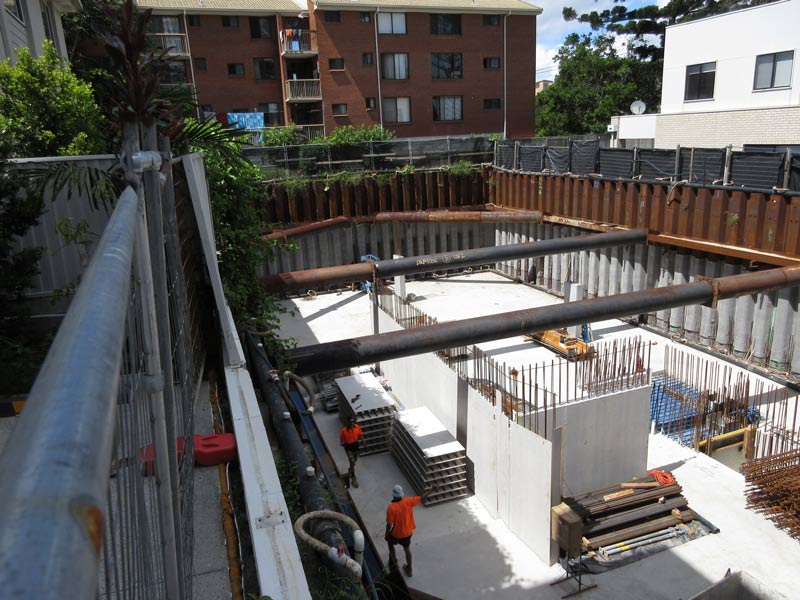
How to Accelerate Project Timelines
Delays in building approvals are one of the most common causes of cost overruns and project frustration for developers, builders, and property owners.
Understanding how the approval process works — and how to navigate it efficiently — can significantly reduce approval timeframes and help projects move forward with fewer setbacks.
Understanding Building Approval Challenges
Most delays occur because:
- Development approval and building approval involve separate assessment stages
- Multiple authorities review different parts of the project
- Incomplete or unclear submissions trigger additional review cycles
- Non-compliant designs require revisions and resubmissions
The more coordinated and complete your submission is, the faster approvals are issued.
Key Stages of the Building Approval Process
- Initial submission review
Authorities check that all required documentation is included and correctly formatted. - Technical assessment
Engineers and planners assess structural compliance with building codes, planning schemes, and Australian Standards. - Referral reviews
Utility providers, traffic authorities, and other agencies assess relevant impacts. - Design amendments (if required)
Applicants revise designs in response to authority feedback. - Final approval
Approval is issued once all matters are resolved.
Why the Process Becomes Complex
- Multiple agencies operate with different requirements and timeframes
- Reviews are often sequential rather than concurrent
- Poor coordination between consultants slows responses
- Missing or inconsistent documentation resets review cycles
This is why proactive planning matters more than speed alone.
Strategies to Accelerate Building Approvals
- Submit complete, coordinated documentation upfront
This reduces questions, rework, and additional review cycles. - Engage engineers early
Early structural compliance review identifies issues before formal submission. - Request pre-lodgement meetings
Councils provide early feedback that prevents major redesigns later. - Run reviews in parallel
Coordinate referrals and technical reviews simultaneously where possible. - Use consultants with local experience
Local knowledge of council and authority expectations reduces friction.
Understanding Local Requirements
Each council and authority has specific requirements and documentation standards. Understanding local overlays, zoning, flood, bushfire, wind, and traffic requirements upfront prevents unnecessary delays.
Engineers experienced in Brisbane and Gold Coast regulations can significantly shorten the approval cycle.
Typical Approval Timeframes
- Simple residential projects: 4–8 weeks
- Complex residential or small commercial: 8–12 weeks
- Large commercial or multi-agency projects: 3–6 months or longer
Unrealistic expectations create frustration — realistic planning avoids it.
Importance of Quality Documentation
Clear, complete, and consistent documentation is the single biggest factor in fast approvals.
Ambiguous or incomplete drawings lead to clarification requests, assessment pauses, and rework.
Communication Matters
Regular follow-up with councils and referral agencies:
- Prevents silent delays
- Allows fast response to information requests
- Keeps the project visible and moving
Common Causes of Delay
- Missing or incomplete documents
- Designs that don’t meet code or planning requirements
- Unresolved utility, traffic, or infrastructure issues
- Authority staffing backlogs
Want to speed up your building approval?
If you’re planning a project in Brisbane or the Gold Coast, Booth Engineers can review your documentation, identify structural compliance risks early, and help you avoid approval delays.
Speak with an engineer today:
Call us today on 07 3397 7876 or email️ admin@boothengineers.com.au