
Do I Need a Structural Engineer for a Home Extension?
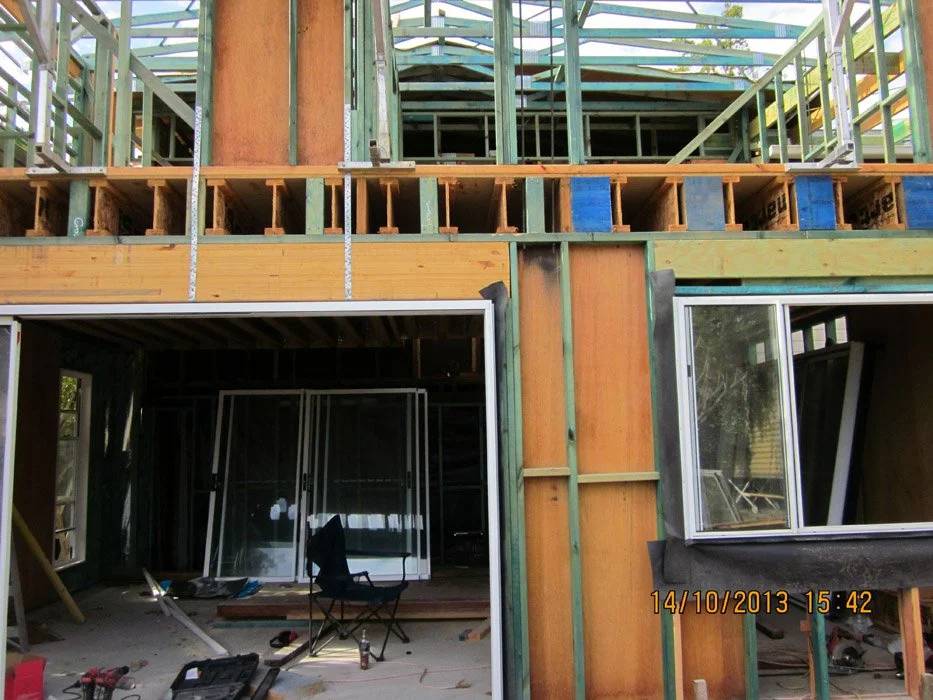
Structural Engineer for House Extension | Professional Guidance
Extending your home is exciting, but it also involves altering the structure that keeps your house safe and stable.
A structural engineer ensures your extension is properly supported, compliant with building regulations, and safe for long-term use. Understanding when you need one helps avoid costly mistakes, approval delays, and structural risks.
Determining Structural Engineering Necessity
Not all extensions need engineering input — but many do.
If your project changes how loads are carried through the building (walls, floors, roof, or foundations), then professional structural advice is essential.
When Structural Engineers Are Essential
You should engage a structural engineer if your extension involves:
- Removing or modifying load-bearing walls
- Adding a second storey or upper-level rooms
- Changing roof structure or extending roof spans
- Adding significant weight (large rooms, heavy materials, decks, or pools)
- Building on sloping sites or reactive / poor soil
- Large or complex extensions
These situations affect structural stability and require engineering design and certification.
Structural Engineer for House Renovation Considerations
Many internal walls look non-structural but are actually supporting floors, roofs, or bracing systems.
A structural engineer can:
- Identify load-bearing elements
- Assess whether walls can be removed or altered
- Design beams or supports to safely replace removed structure
- Ensure the building remains stable during and after renovations
This prevents hidden failures and future repair costs.
Structural Engineer for Home Addition Services
A structural engineer typically provides:
- Structural assessments of the existing building
- Foundation design for new loads
- Floor and roof framing design
- Load path and member sizing calculations
- Structural compliance documentation for approvals
- Construction-stage inspections (if required)
These services ensure the extension integrates safely with the existing home.
Cost–Benefit Analysis
Structural engineering services for extensions typically cost $800–$2,500, depending on complexity.
That cost protects against:
- Structural failure
- Costly rectification works
- Insurance disputes
- Council non-compliance
- Reduced property value
Engineering is a small upfront investment compared to fixing mistakes later.
Building Approval Requirements
Most councils require engineering documentation for extensions that affect structure.
Professional engineering drawings and certification:
- Speed up approvals
- Reduce council requests for changes
- Demonstrate structural compliance with Australian Standards
DIY Extension Limitations
DIY works are only appropriate for minor cosmetic changes.
Once you:
- Add rooms
- Remove or modify walls
- Alter roof structure
- Add significant loads
…you enter a risk zone where engineering is essential for safety, legality, and insurance protection.
Construction Quality Assurance
Structural engineers can inspect construction to ensure it matches the approved design. This:
- Prevents on-site mistakes
- Catches issues early
- Protects homeowners from future liability
Future Considerations
Good engineering allows for:
- Future renovations or vertical extensions
- Resale confidence
- Easier approvals for future works
Designing properly now saves time and money later.
Planning a home extension in Brisbane or the Gold Coast?
Before you build, talk to Booth Engineers. We’ll assess your home, identify what’s required, and help you avoid structural risks, approval delays, and unnecessary costs.
Speak with an engineer today:
Call us today on 07 3397 7876 or email️ admin@boothengineers.com.au
Protect your home, your investment, and your peace of mind — before construction begins.