
How Soil Type Affects Structural Integrity in Queensland Buildings
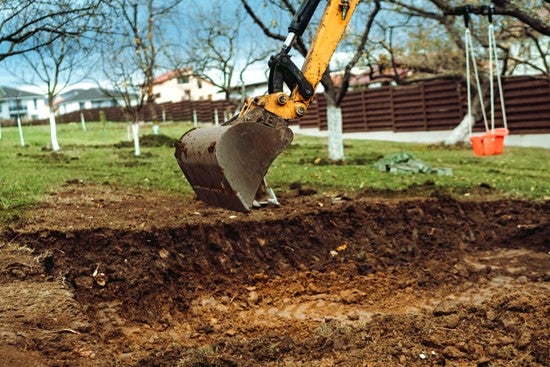
Soil Types and Structural Integrity in Queensland
Soil in Brisbane is unpredictable. Heavy reactive clay dominates many local suburbs, and this volatile soil expands and contracts with the changing seasons. Over the years, these underground movements tear your foundation apart. The team at Booth Engineers conducts detailed soil testing and structural integrity management across the Brisbane service area. Schedule a comprehensive site assessment to identify your specific soil classification and lock in a reliable foundation design.
The Threat of Reactive Clay Soils
Queensland weather patterns swing violently between long droughts and sudden tropical downpours. Reactive clay soils absorb this extreme rainfall like a sponge, so the ground swells significantly to push upward against your concrete slab. When the dry season returns, the soil shrinks back down and pulls away from the concrete footings entirely. This aggressive cycle easily cracks brick walls, and it warps internal timber framing beyond repair. Many older Brisbane properties suffer severe damage today because early builders ignored the volatile composition of the dirt entirely. Booking a professional structural integrity inspection exposes these underground risks before you start a new build. Identifying a highly reactive site allows builders to install deeper concrete piers that bypass the unstable upper soil layers completely.
Building on Sand and Loose Fill
Coastal properties and reclaimed land present an entirely different set of underground challenges. Sand drains water rapidly, but it lacks the natural binding properties needed to hold heavy point loads. Loose, uncompacted fill soil is incredibly dangerous because it simply compresses under the massive weight of a new house or extension. Your footings will sink unevenly into the soft ground, and this rapid settlement tears the building framework apart. Effective structural integrity management requires precise compaction testing across the entire site. We specify the exact vibration methods and soil moisture levels needed to create a hard, stable base. Ignoring these specific ground conditions usually results in a condemned building that requires massive financial investment to salvage.
Custom Engineering for Local Conditions
Guessing your soil type based on a neighbouring property is a massive financial risk. Underground profiles change dramatically within a few metres, so a safe building block can sit right next to a volatile clay pit. Our structural engineers extract deep core samples from your specific block to classify the ground accurately. We take these physical soil samples back to the laboratory for rigorous pressure testing and moisture analysis. You get a clear, factual report detailing the exact chemical composition and load-bearing capacity of the earth beneath your feet. We translate this raw data into actionable building plans.
Designing the Right Foundation System
Reliable technical data drives every successful construction project. We use the exact laboratory results to design a foundation system that directly matches your specific soil classification. A standard waffle pod slab works perfectly on stable ground, but highly reactive clay demands heavy-duty bored piers and thickened edge beams. Matching the steel reinforcement directly to the soil movement saves you thousands in future crack repairs. Securing an official structural integrity check verifies that your proposed building plans meet all mandatory safety codes before you pour concrete. Providing your builder with accurate engineering diagrams prevents dangerous guesswork on site.
Secure Your Foundation Today
Book your structural integrity inspection to stop expensive foundation failures before construction begins. Call (07) 3397 7876 to speak with our Brisbane engineering team immediately.